
What Language Do Pakistanis Speak? Unveiling the Multilingual Landscape of Pakistan
Pakistan, a vibrant and culturally diverse country located in South Asia, is home to a rich tapestry of languages. Language holds immense significance in the identity and heritage of the Pakistani people. This article aims to explore and shed light on the various languages spoken in Pakistan, with a particular focus on the primary languages used by its citizens. One of the key questions we will answer is, "What language do Pakistanis speak?"
1. The Official Language of Pakistan
The official language of Pakistan is Urdu. It serves as a lingua franca and is widely used as a means of communication between people from diverse linguistic backgrounds. Urdu is written in a modified form of the Arabic script and is renowned for its poetic beauty and elegance. The adoption of Urdu as the official language of Pakistan was a significant step towards fostering national unity among its linguistically diverse population.
2. Regional Languages
Apart from Urdu, Pakistan boasts a remarkable array of regional languages that reflect the country's linguistic diversity. Let's delve into some of the prominent regional languages spoken across different provinces:
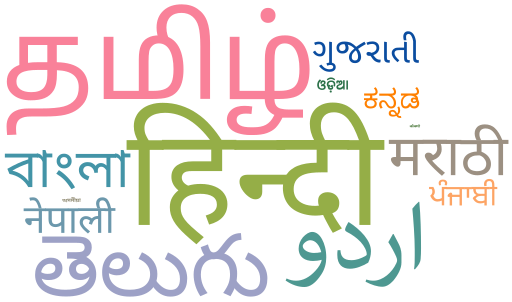
Regional Languages
2.1 Punjabi:
Punjabi, with its rich literary heritage, is predominantly spoken in the province of Punjab. It is also widely used in neighboring areas, including parts of Khyber Pakhtunkhwa and Islamabad. Punjabi has several dialects, such as Majhi, Malwi, Doabi, and Pothohari, each with its unique characteristics.
2.2 Sindhi:
Sindhi is the language of the Sindh province and is spoken by a significant number of people in Pakistan. It has a rich literary tradition and is written in a modified Arabic script known as the Sindhi script.
2.3 Pashto:
Pashto is the language of the Pashtun ethnic group and is primarily spoken in the Khyber Pakhtunkhwa and Balochistan provinces. It has a deep-rooted oral and written tradition and employs a modified Arabic script.
2.4 Balochi:
Balochi, spoken by the Baloch people, is mainly found in Balochistan province. It has its own unique script called the Balochi alphabet and holds great cultural importance within the community.
2.5 Saraiki:
Saraiki is primarily spoken in southern Punjab and parts of Khyber Pakhtunkhwa. It has its own distinct identity and is written in the Perso-Arabic script.
3. Minority Languages
Minority Languages
In addition to the regional languages, Pakistan is also home to various minority languages, each with its own cultural and historical significance. These include:
3.1 Urdu:
While Urdu serves as the official language, it is also spoken as a mother tongue by a significant portion of the population, particularly in urban areas.
3.2 English:
English, a legacy of British colonial rule, is widely used in Pakistan, especially in formal education, government institutions, and business settings. It plays a vital role in connecting Pakistanis with the global community.
3.3 Other Languages:
Pakistan is a melting pot of diverse linguistic communities. Several other languages, including Brahui, Hindko, Kashmiri, Shina, and many more, are spoken by specific ethnic groups across the country.
4. Language Diversity and Cultural Harmony
The linguistic diversity of Pakistan is a testament to its rich cultural heritage and pluralistic society. The coexistence of various languages within Pakistan reflects the harmony and mutual respect among its different linguistic communities. While Urdu unifies the nation, regional and minority languages contribute to the cultural mosaic of the country, creating a vibrant and inclusive society.
In conclusion, Pakistan is a linguistically diverse country where multiple languages thrive side by side. While Urdu serves as the official language and a symbol of national unity, regional languages such as Punjabi, Sindhi, Pashto, and Balochi hold significant importance within their respective communities. Additionally, minority languages like Urdu and English play a vital role in education, administration, and communication. Pakistan's linguistic landscape is a testament to the nation's rich cultural tapestry and serves as a source of pride for its people. Understanding the linguistic diversity of Pakistan contributes to fostering inclusivity, cultural exchange, and a deeper appreciation of the nation's heritage.